
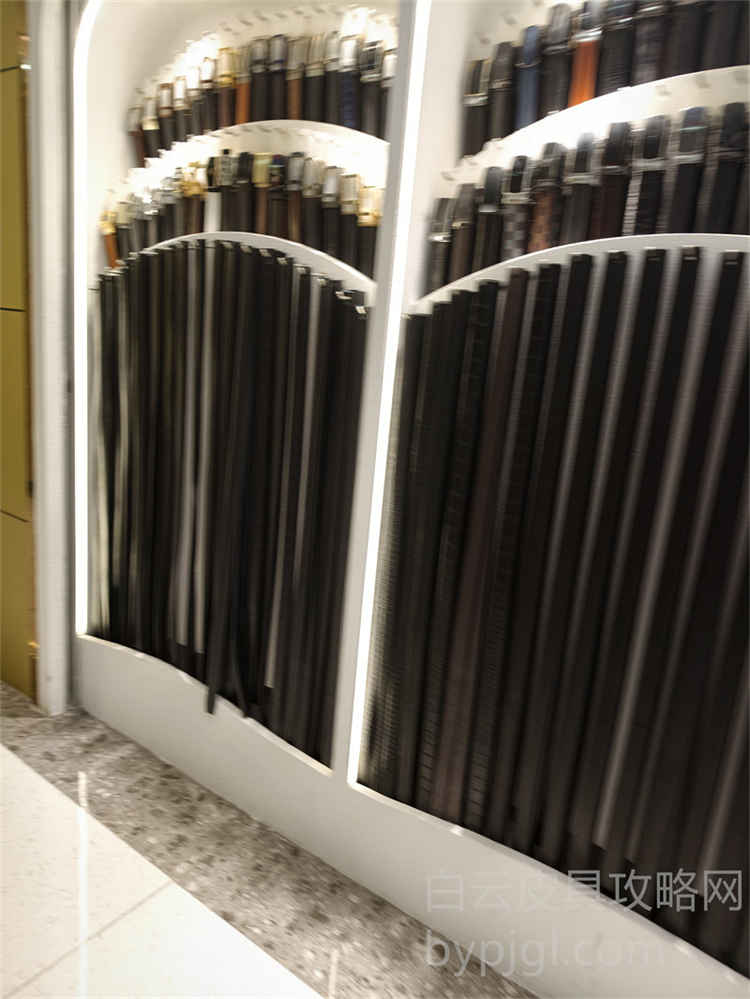
Why Guangzhou is the only Place for Real Wholesale Deals
I've been standing behind this counter in Baiyun District for over fifteen years. While you might see flashy ads online promising "cheap bags from China," let me tell you something straight: if you want real wholesale prices, you cannot do it from your living room in New York or London. You have to be here, in the dust and noise of Guangzhou's leather market district. I'm not a sales agent; I'm an old shop owner who has seen thousands of buyers come and go. Some leave with gold mines, others leave with empty pockets and broken dreams. The difference isn't luck; it's knowing wher to look and how to talk.
The biggest myth I hear is that everything here is fake. That's half-true but misses the point. Yes, there are replicas everywher, but there is also a massive ecosystem of high-quality OEM factories that supply top global brands. If you walk into the right building on the ground floor, you will find genuine leather, solid hardware, and prices that make your margins explode. But if you just wander around without a plan, you will get ripped off by middlemen pretending to be factory owners. My advice? Skip the tourist traps and head straight to the core.
Navigating the Giants: Wher to Actually Find the Goods
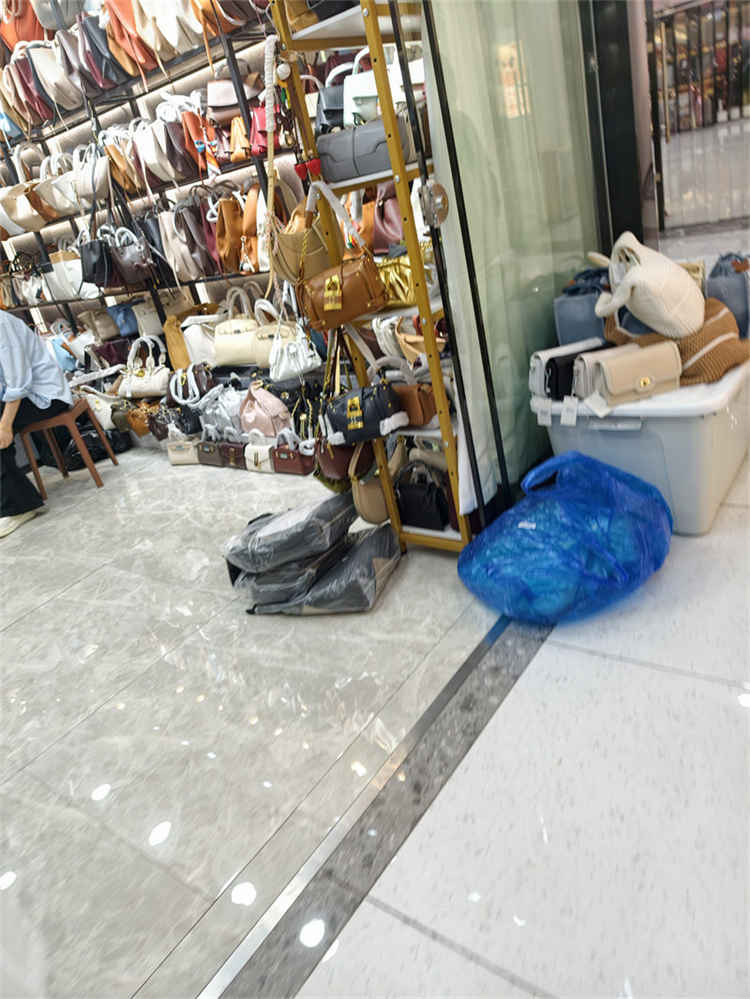
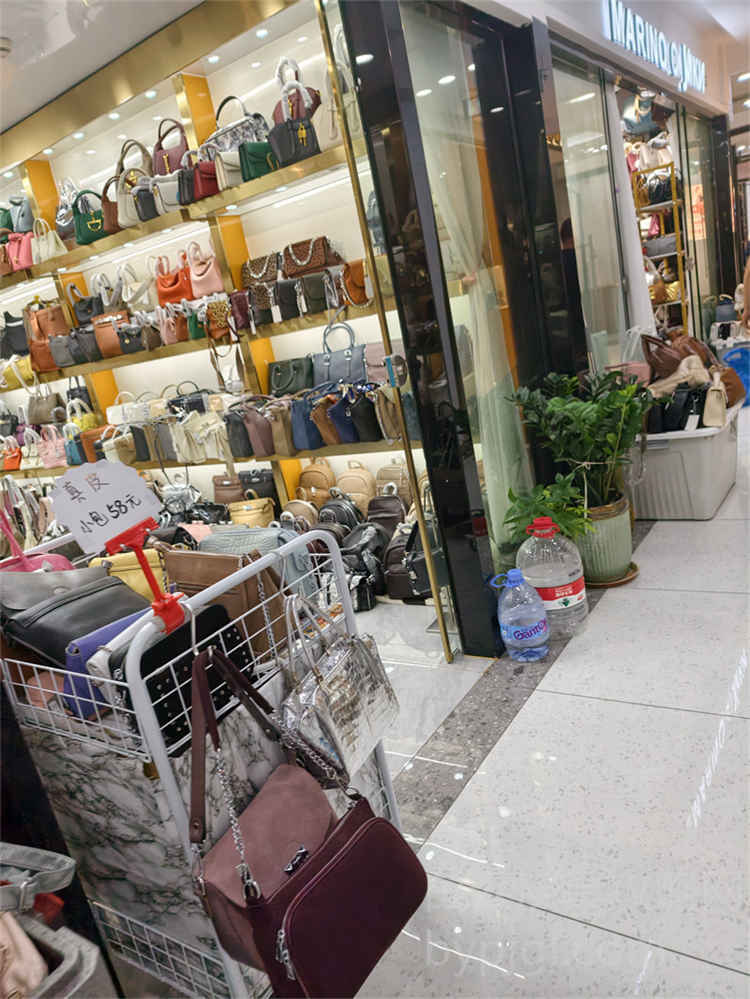
Let's cut through the confusion about which market to visit. Most tourists end up at the famous shops near the subway station, but those are retail-focused. For serious wholesale, you need to go deeper. The absolute heart of the operation is the Baima Leather City (Baiyun International Leather Trade Center) and the surrounding buildings like Shide and Xingda. These aren't just malls; they are vertical cities of production.
The Golden Floor Strategy in Baima
In Baima, don't waste time on the first two floors. Those are for retail tourists and low-end knockoffs. Go straight to the 4th and 5th floors. This is wher the heavy hitters are. I personally recommend checking out the cluster of stalls around Aisle 12 on the 5th floor. There is a specific stall, often marked as "Factory Direct" with no English signage, run by a family named Chen. They specialize in Italian calfskin tote bags. Their price point for a bag that sells for $150 in the US is around $28-$35 FOB. That is the kind of margin we are talking about.
Another spot you must hit is the Xingda Building nearby. On the 6th floor, look for the section dedicated to "High-End Custom." Here, you won't find the cheap PU leather junk. You will find suppliers who can match the texture of luxury brands using full-grain cowhide. One specific booth, number 608, owned by Mr. Li, has been my go-to for structured handbags. He doesn't speak much English, but his sample book is legendary. He showed me a bag last month that cost him $42 to make, which retails for $220 in Paris. That is the power of being here.
Shide Market: The Hidden Gem for Trendy Styles
If you are looking for fast fashion, trendy designs, or smaller batch orders, Shide Market is your playground. It's less formal than Baima. The vibe is chaotic, but the deals are faster. I often send my overseas clients here when they need 50 units of a specific style quickly. The lead time here is shorter because many of these stalls have their own small workshops attached. Look for the alleyways between the main corridors. That's wher the real action happens. You'll find stalls like "Golden Eagle Leather" on the second floor, specializing in crossbody bags and clutches. They are flexible on MOQs (Minimum Order Quantities), sometimes starting at just 20 pieces if you pay a slightly higher unit price.
The Art of Negotiation: How to Talk Like a Pro
When you walk into a stall, your body language tells them everything. If you look like a tourist, they will quote you the "foreigner price," which is often double the local wholesale rate. Never ask "How much?" immediately. Instead, ask, "What is your best price for 100 pieces?" or "Can you show me your catalog for Q3?" This signals you are a buyer, not a browser.
Here is a hard truth: The price on the tag is never the final price. In Guangzhou, negotiation is a dance. If they say $50, you start at $35. If they refuse, move to $40. The magic usually happens around $42. I remember a deal I made last year for canvas backpacks. The initial quote was $18 per unit. After showing them my shipping address in Los Angeles and mentioning I would return next month for a larger order, we settled at $14.50. That $3.50 saving per bag adds up to thousands of dollars on a container load.
Also, never mention "replica" or "copy." Even if that's what you want, use terms like "OEM," "custom design," or "high-quality alternative." Using the wrong words can get you kicked out of the building or worse, reported to authorities. Stick to professional terminology. Ask about the "hardware weight" and the "leather grade." If they hesitate, they are hiding something.
Quality Control: Don't Trust Your Eyes Alone
This is wher most people fail. They see a beautiful bag in the showroom and think it's perfect. But the bag in the box might be different. I always tell my clients: "Show me the rough stock." Ask to see the raw materials before the bag is assembled. Check the stitching density. In Guangzhou, a good stitch count is 12 stitches per inch. Anything less is cheap labor. Also, check the lining. Cheap bags use polyester; good ones use nylon or cotton blends.
I once had a client who ordered 500 bags based on a photo. When they arrived, the zippers were rusted after one week. Why? Because the supplier used cheap zinc alloy instead of brass. I learned this lesson early. Now, I insist on seeing the actual hardware samples before placing any order. If you are buying from a specific factory like the one in Shide mentioned earlier, ask for a "pre-production sample." Pay the extra $20 for it. It saves you from a disaster later.
Another trick is to bring a magnet. Test the hardware. Good hardware is magnetic but heavy. Cheap hardware feels light and flimsy. Also, smell the leather. Real leather smells distinct; synthetic leather smells like chemicals or plastic. If it smells bad, walk away. No amount of discount is worth selling a product that smells like a landfill.
Logistics and Shipping: Getting It Home Safely
once you have the goods, the real work begins. Many new buyers forget about the logistics. In Guangzhou, almost every major market has a dedicated freight forwarder office inside the building. Do not try to ship via DHL directly from the stall unless it's a tiny sample. For bulk orders, use a consolidated freight forwarder. They handle the customs clearance, warehousing, and shipping to your country.
I recommend sticking to forwarders located in the Panyu district, which is close to the markets. They know the ins and outs of exporting leather goods. Ask them for a "DDP" (Delivered Duty Paid) quote if you want peace of mind. It means they handle the taxes and duties so you don't get stuck at customs. Be careful with the packaging too. Leather bags can get crushed easily. Insist on sturdy cardboard boxes with dividers. I've seen entire containers ruined because the supplier used thin plastic wrap and no boxes.
Summary of Key Markets and Tips
To wrap this up, here is a quick reference guide based on my years of experience. Use this table to plan your trip.
| Market Name | Best For | Recommended Floors | Key Tip |
|---|---|---|---|
| Baima Leather City | High-end OEM, Genuine Leather, Large Orders | Floor 4 & 5 | Focus on Aisle 12; negotiate hard on volume. |
| Xingda Building | Structured Bags, Custom Designs | Floor 6 | Look for Booth 608; ask for pre-production samples. |
| Shide Market | Trendy Styles, Low MOQ, Fast Turnaround | Floor 2 & 3 | Check alleyways; verify zipper quality immediately. |
| Yiwu (Alternative) | Very Cheap, Plastic/PU, Small Accessories | All Floors | Avoid for leather; stick to Guangzhou for quality. |
Guangzhou is not just a place to buy bags; it is a culture. It requires patience, observation, and a bit of street smarts. If you follow these rules, you will find that the "cheap" bags here are actually the most profitable investment you can make. Don't rush. Take your time, walk the aisles, talk to the owners, and trust your gut. The money you save on the first order will fund your next ten. Welcome to the real world of Chinese wholesale.

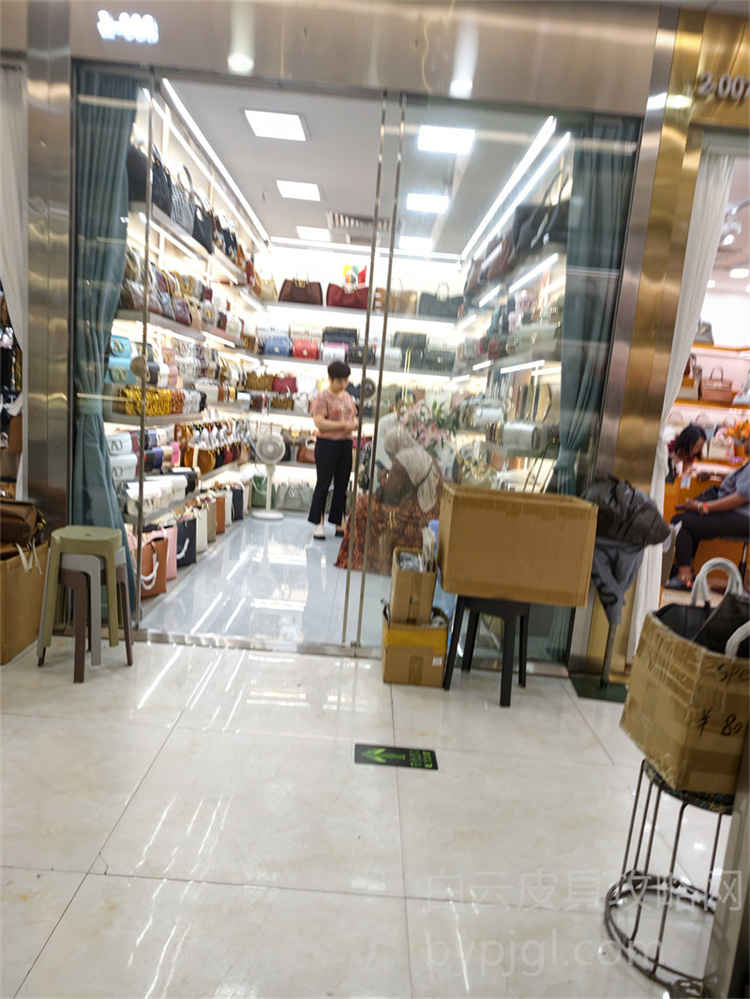
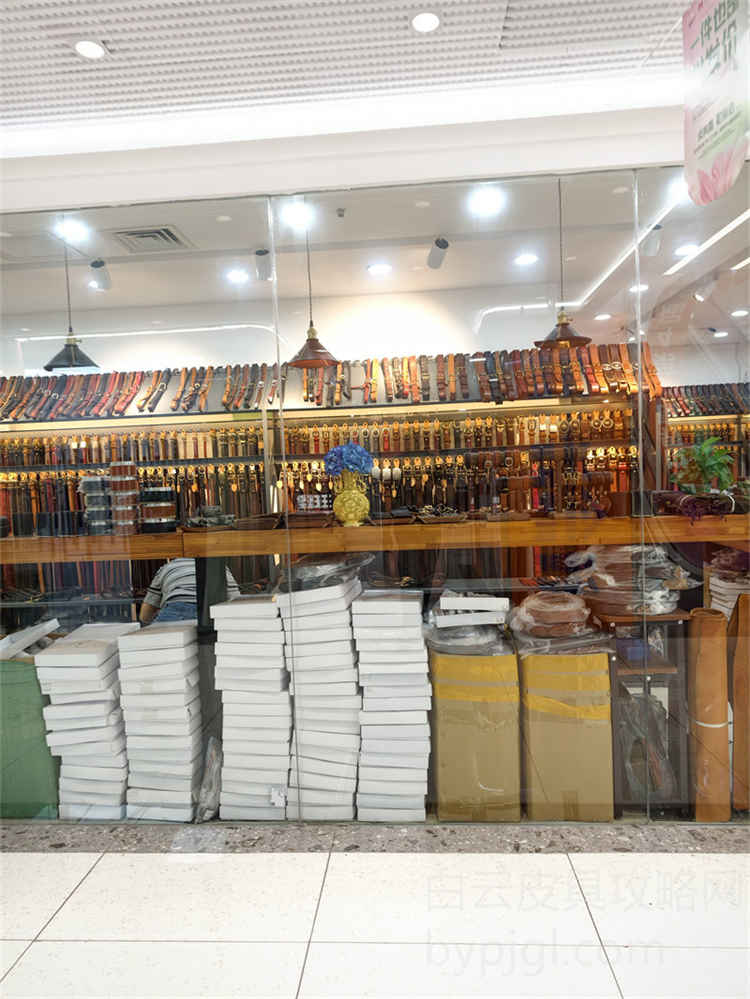
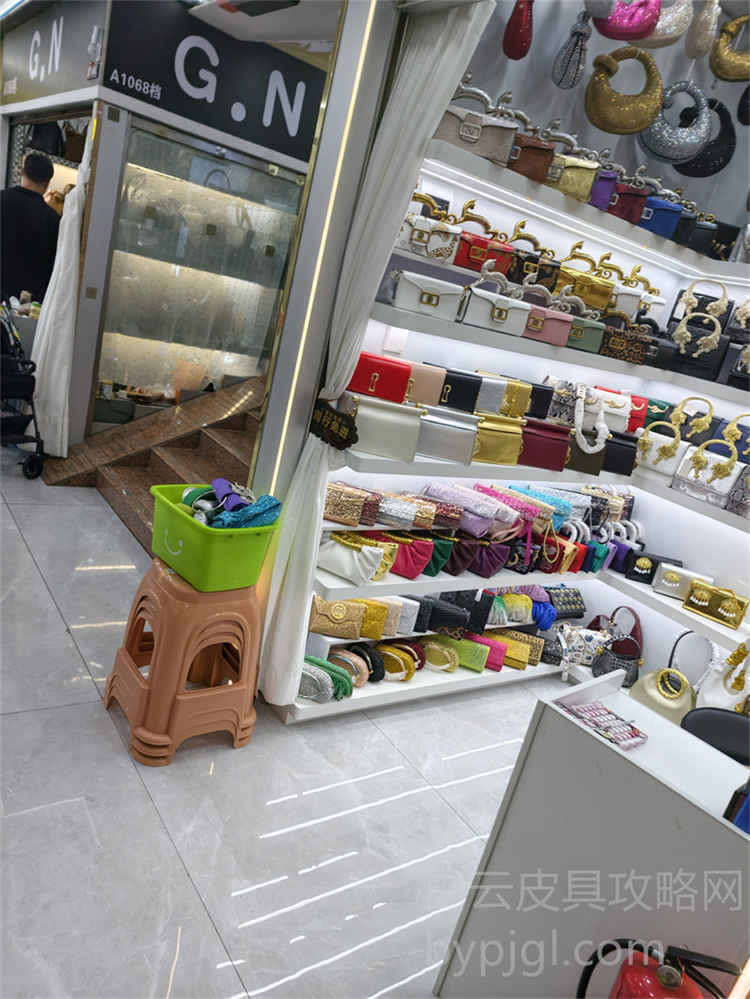
 On-site Visits
 Free Sharing
 Avoid Scams
 Updated Frequently
 For Reference Only