
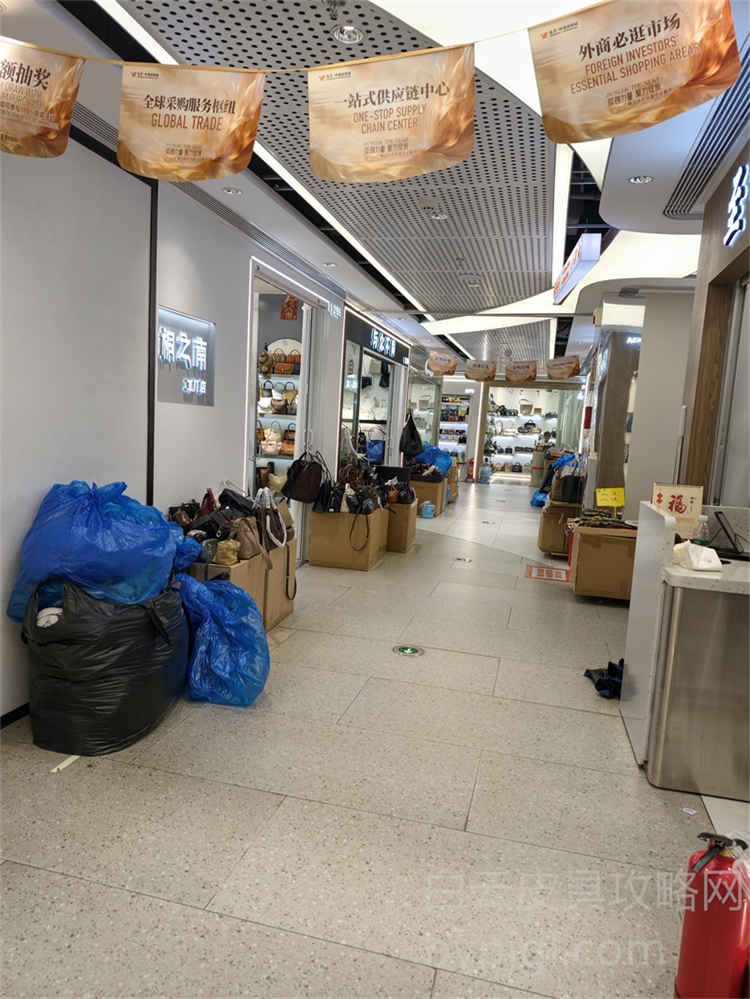
Why You Need to Walk the Floors of Baiyun, Not Just Scroll Online
I have been standing behind my counter in Guangzhou for over twenty years. While I see thousands of emails from overseas buyers asking for "China Guangzhou bag wholesale recommendations" on their screens, I know the truth: you cannot find the real deal without getting your boots dirty on the pavement of the Baiyun district. The internet is full of stock photos and generic descriptions that hide the reality of the trade. When you are looking for high-quality leather goods, the difference between a profitable business and a dead-end investment lies in what you can touch, smell, and negotiate face-to-face.
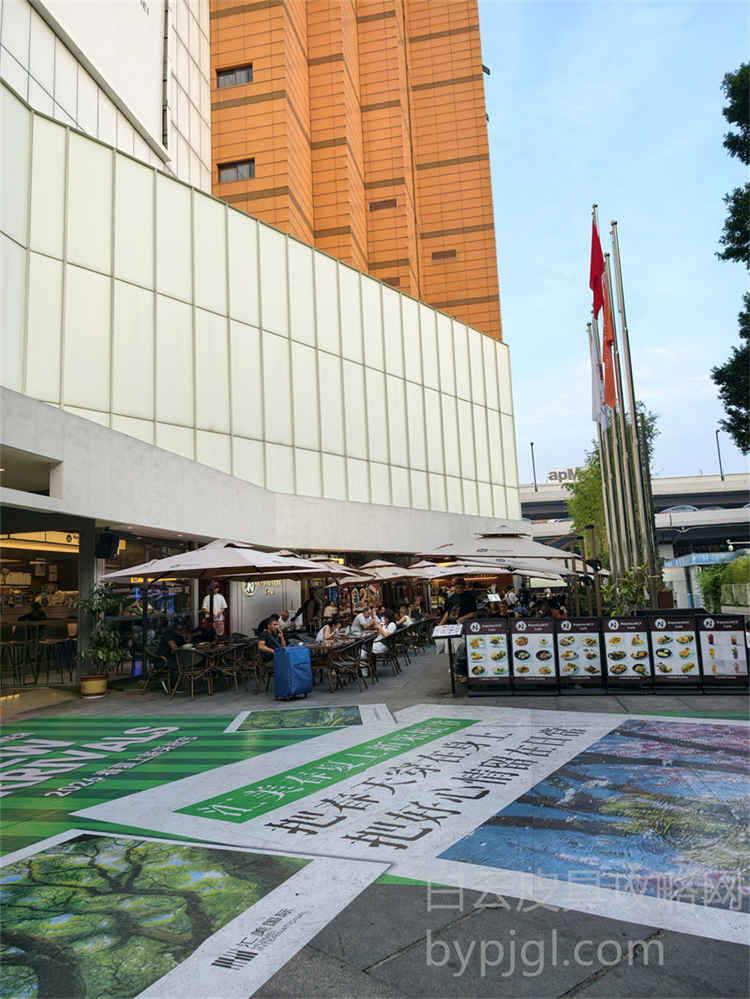
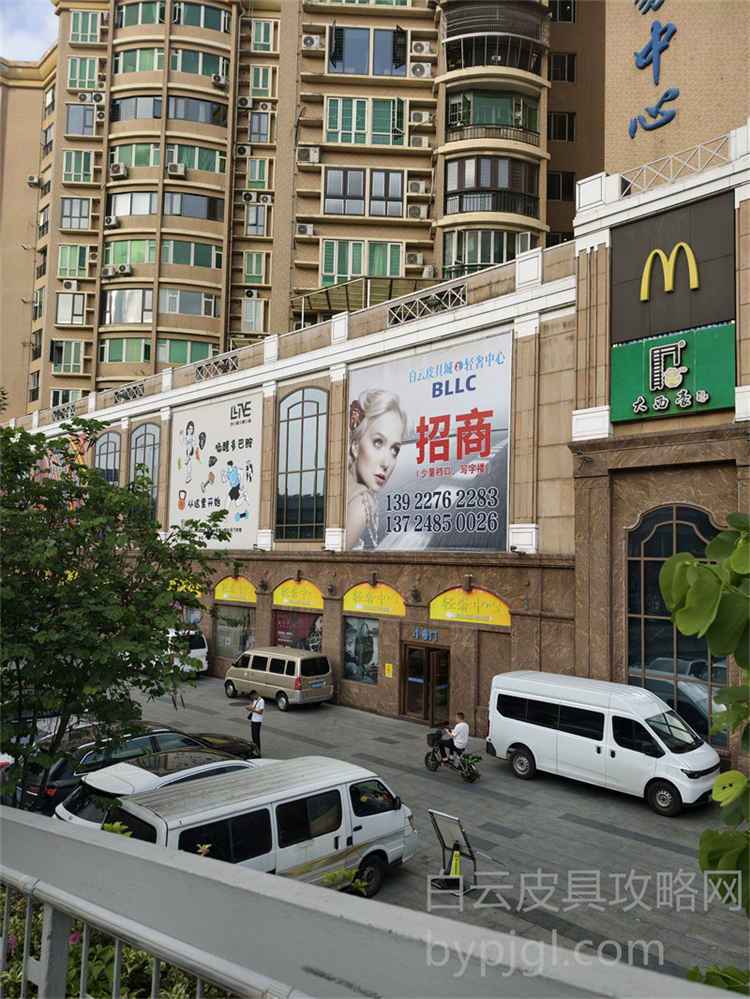
The biggest mistake foreign buyers make is trying to order based solely on WeChat catalogs or Alibaba listings. These images are often ten years old or taken from a different factory entirely. In my shop, we deal with the actual production lines. If you want to succeed, you need to understand the ecosystem of the Baiyun Leather City. It is not just one building; it is a sprawling network of interconnected structures wher the quality varies wildly from floor to floor. Let me walk you through exactly how I guide serious buyers through this maze.
Navigating the Giants: Inside Baiyun International Trade Center
The Golden Zone: Floors 1 and 2
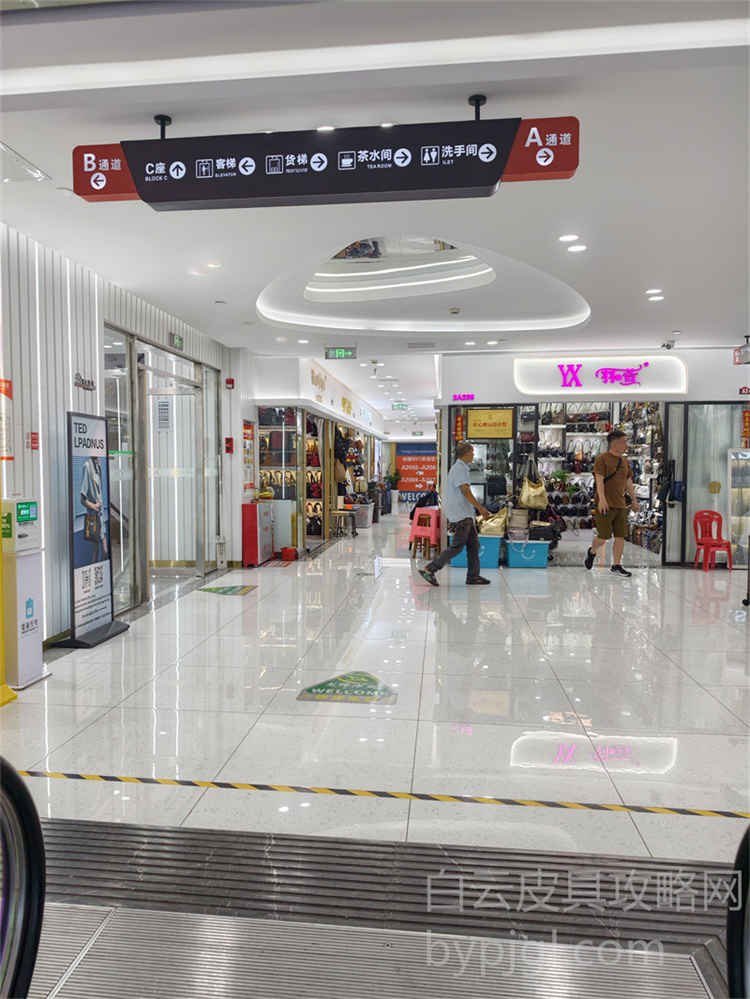
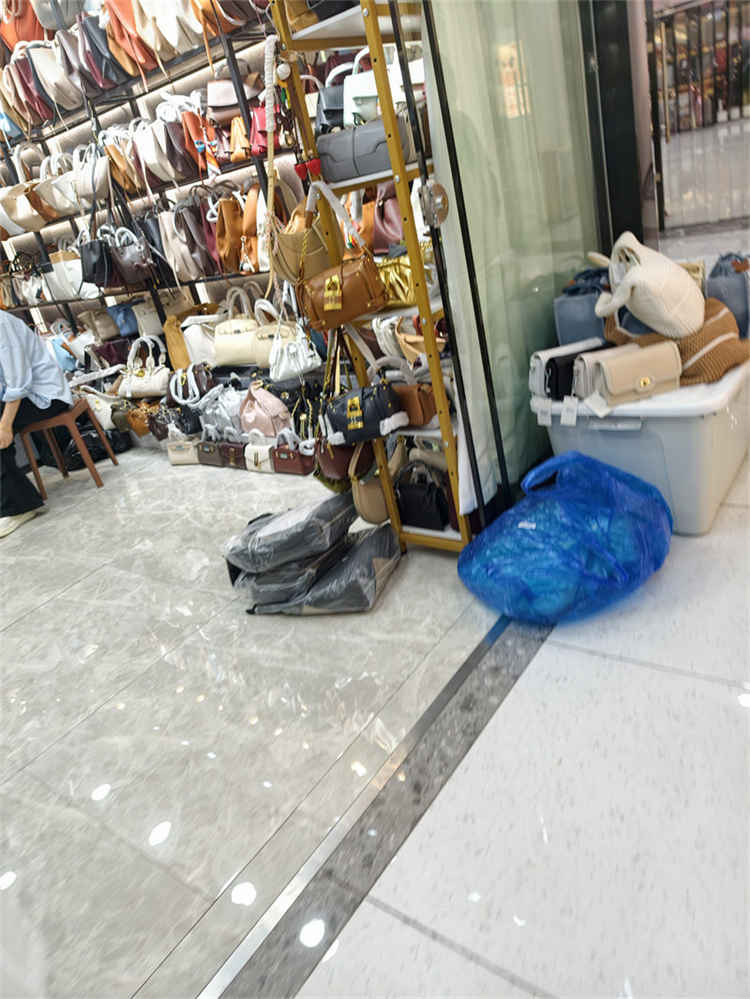
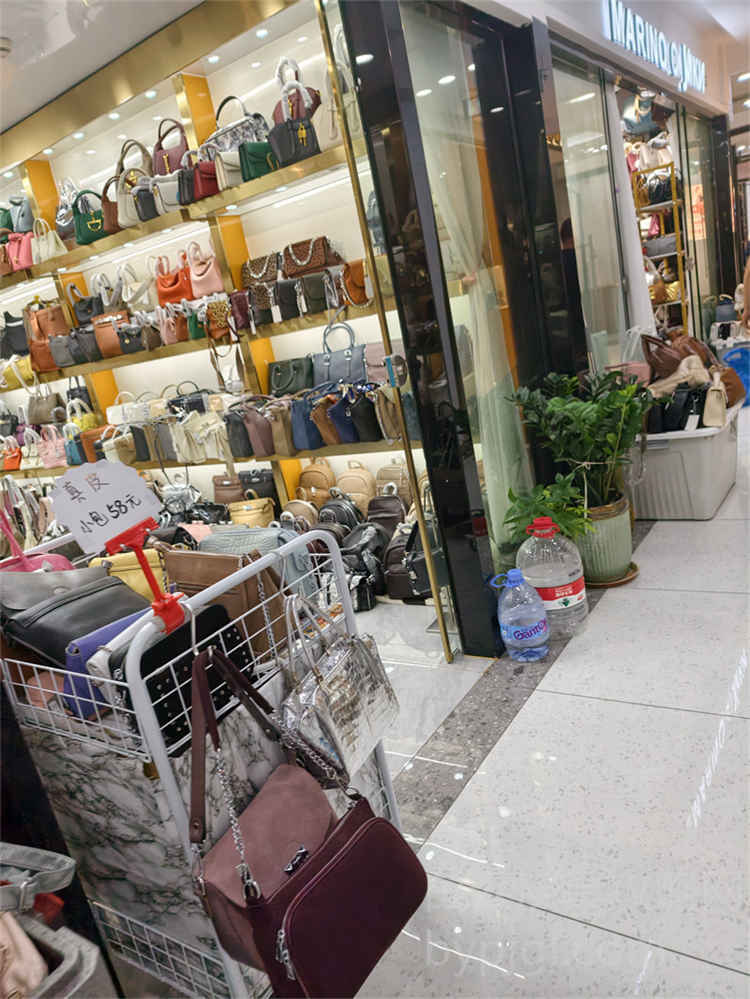
If you are new to the market, start at the Baiyun International Trade Center (BITC). This is the heart of the operation. However, do not get lost in the hype. Floor 1 is mostly for retail tourists and low-end knockoffs. You will see bags selling for $50 that look like they cost $5. If you are looking for genuine craftsmanship, skip straight to Floor 2. This is wher the serious wholesalers operate. Here, you will find brands like Yonghe Leather Factory and Golden Eagle Trading Co.. Their counters are spacious, well-lit, and stocked with samples that actually match the final product.
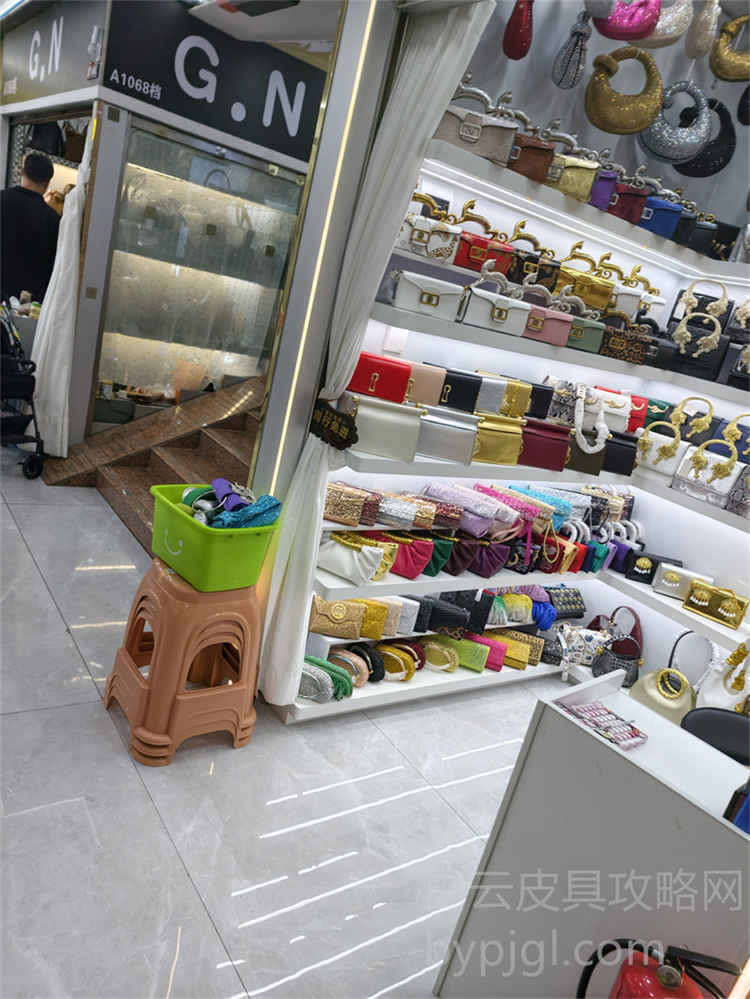
I remember a buyer from New York last month who wanted to source luxury-style handbags. He was initially disappointed by the prices on Floor 1 but found his match on Floor 2. He met the owner of Shengda Leather Goods, located near the central escalator. They showed him calfskin samples that were soft to the touch, unlike the stiff PU leather on the lower floors. The key here is to ignore the flashy displays and ask to see the raw materials. A good boss will open the drawer and show you the grain of the leather immediately.
The Hidden Gems: Lower Floors and Side Corridors
Many buyers rush past the lower floors, thinking they are only for cheap junk. That is a misconception. On Floor 3 and 4, you will find specialized workshops that cater to mid-range brands. One specific stall I recommend is Huaqiang Bag Manufacturing on Floor 3, Section B. They specialize in tote bags and backpacks made from recycled canvas and durable nylon. Their pricing structure is transparent, and they offer customization for orders over 50 units. Unlike the big players on Floor 2, these smaller workshops are more flexible with design changes.
Another critical spot is the side corridor connecting BITC to the nearby Jingxiu Plaza. This area is less crowded and houses several family-run factories. I often send clients to Liancheng Leather Workshop hidden in the back alley. They produce small-batch, high-end items that are perfect for boutique stores. The owners here speak better English than the average salesperson because they rely heavily on repeat international clients. They don't push volume; they push quality.
The Art of Negotiation and Quality Control
Reading the Price Tags and MOQs
When you stand in front of a counter, the first thing you must check is the Minimum Order Quantity (MOQ). In Guangzhou, the standard MOQ for custom designs is usually 50 pieces per color. However, if you are buying existing stock, some shops like TopTier Bags allow mixed orders as low as 10 pieces. Do not be afraid to negotiate. I have seen prices dro by 15% simply because the buyer mentioned they plan to return next season. The trick is to build a relationship, not just make a transaction. Ask about their lead time. If they say "one week," run away. Real production takes 15 to 20 days. A promise of too-fast delivery usually means they are using substandard materials or skipping quality checks.
Here is a data point from my own experience: A client once ordered 200 bags from a shop promising a price of $12 per unit. After inspecting the stitching and hardware, I advised them to switch to a supplier charging $14. The $2 difference saved them from a return rate of 30%. The cheaper option used weak zippers that broke within two weeks. In the long run, the higher price point was actually the cheaper option when factoring in customer returns and reputation damage.
Inspection Protocols: What to Look For
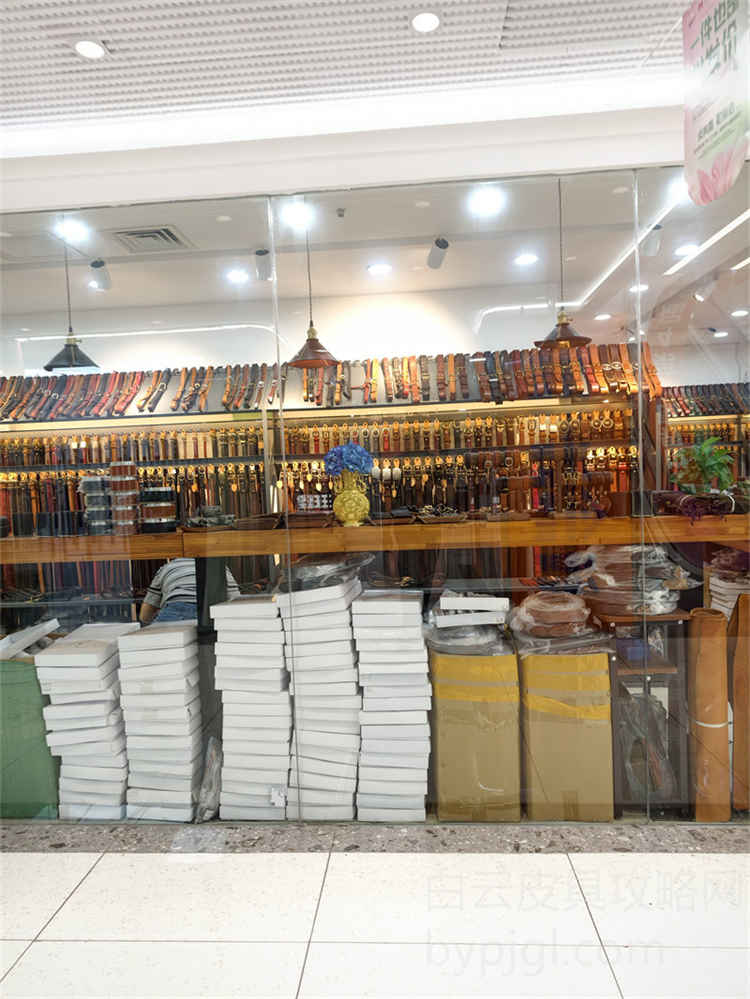
Before you pay the deposit, you must perform a physical inspection. Bring a magnifying glass and a light source. Check the stitching density. High-quality bags should have at least 12 stitches per inch. Look at the edges of the leather; they should be painted smoothly without any bleeding or roughness. Pay attention to the lining. Cheap bags use polyester that pills easily, while premium ones use cotton or silk blends. Also, weigh the bag. If a leather bag feels lighter than expected, it might be hollowed out or made from thin, low-grade hides.
One unique tip I share with all my clients is to test the hardware. Open and close the zipper 20 times. If it sticks or feels gritty, reject it. The metal should feel heavy, not flimsy. At Elite Leather Solutions, they even let you bring your own lock to test the durability of the padlock clasps. This level of transparency is rare but essential for avoiding costly mistakes.
Logistics and Avoiding Common Pitfalls
Shipping and Customs Compliance
once you have seleced your goods, the next challenge is shipping. Many buyers forget that Guangzhou ports handle millions of containers daily. Delays are common during peak seasons like before Christmas. Always book your freight forwarder at least three weeks in advance. When dealing with customs, ensure your supplier provides accurate HS codes. Mislabeling goods as "toys" or "textiles" instead of "leather goods" can lead to seizures. I always advise my clients to work with forwarders who specialize in the US and EU markets to navigate these regulations smoothly.
Another pitfall is the "sample vs. bulk" discrepancy. Sometimes the sample looks perfect, but the bulk order arrives with slightly different shades of leather. To avoid this, insist on a pre-production sample approval. Send a photo of the approved sample to the factory and have them sign off on it. This creates a legal record that protects you if the final product deviates from the agreed standard.
Summary of Recommended Suppliers and Locations
| Supplier Name | Location | Specialty | Recommended For |
|---|---|---|---|
| Yonghe Leather Factory | BITC Floor 2, Central Area | Premium Calfskin Handbags | Boutique Luxury Brands |
| Golden Eagle Trading Co. | BITC Floor 2, North Wing | Vintage Style Totes | Mid-Range Retail Chains |
| Huaqiang Bag Manufacturing | BITC Floor 3, Section B | Casual Canvas & Nylon | Backpack & Travel Gear |
| Liancheng Leather Workshop | Jingxiu Plaza Back Alley | Small Batch Custom Designs | Startups & Designers |
| Elite Leather Solutions | BITC Floor 4, East Corridor | Hardware Testing & Durability | High-Volume Orders |
Walking the streets of Baiyun is an adventure that requires patience and sharp eyes. But once you master the art of sourcing here, you unlock a supply chain that no online platform can replicate. Remember, the best deals are not found in the brochures; they are found in the conversations you have with the people who make the bags. Go there, touch the leather, and build your business on solid ground.

 On-site Visits
 Free Sharing
 Avoid Scams
 Updated Frequently
 For Reference Only