
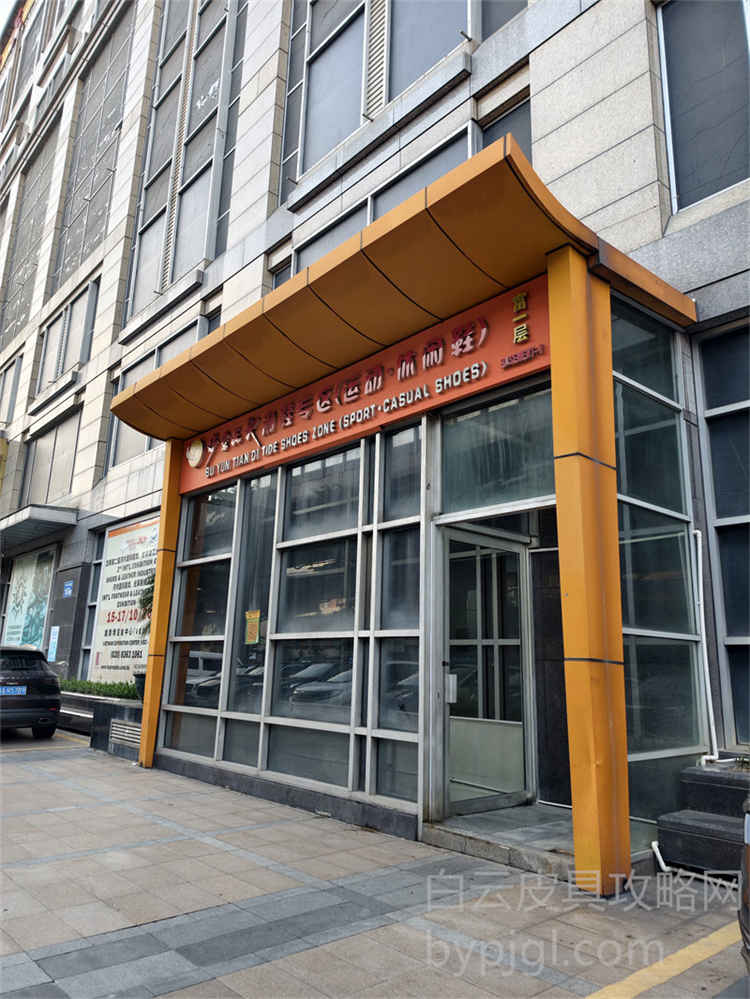
Why Guangzhou is the only Place to Find Real Chinese Style Bags
I've been standing behind this counter in Baiyun Leather City for over fifteen years. While everyone else is talking about "e-commerce trends" or "droshipping models," I'm here watching real buyers from Europe, America, and Australia walk through these dusty corridors looking for something specific: authentic Chinese Guofeng bags. Let me tell you straight, if you are searching for "China Guofeng bags Guangzhou wholesale" online and thinking you can just order a sample via Alibaba and get the real deal, you are already two steps behind. The magic isn't in the digital listing; it's in the smell of the leather, the sound of the sewing machines, and the way we negotiate face-to-face.
The term "Guofeng" isn't just a buzzword for us anymore. It means intricate embroidery, traditional cloud patterns, jade buttons, and that distinct blend of ancient aesthetics with modern functionality. But finding the right factory that actually understands the soul of this style, rather than just slapping a dragon print on a cheap PU bag, requires boots on the ground. I see too many overseas buyers get burned by low-quality replicas because they didn't know wher to look. Today, I want to share exactly how we do it, step by step, so you don't waste your flight money.
Navigating the Labyrinth: Wher to Actually Go
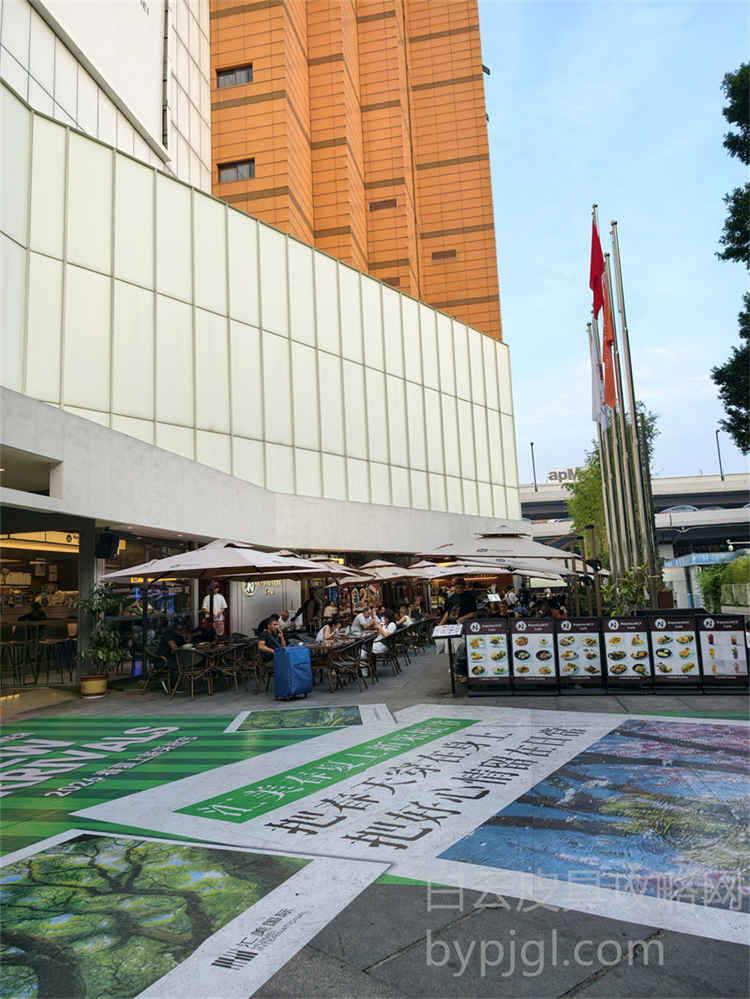
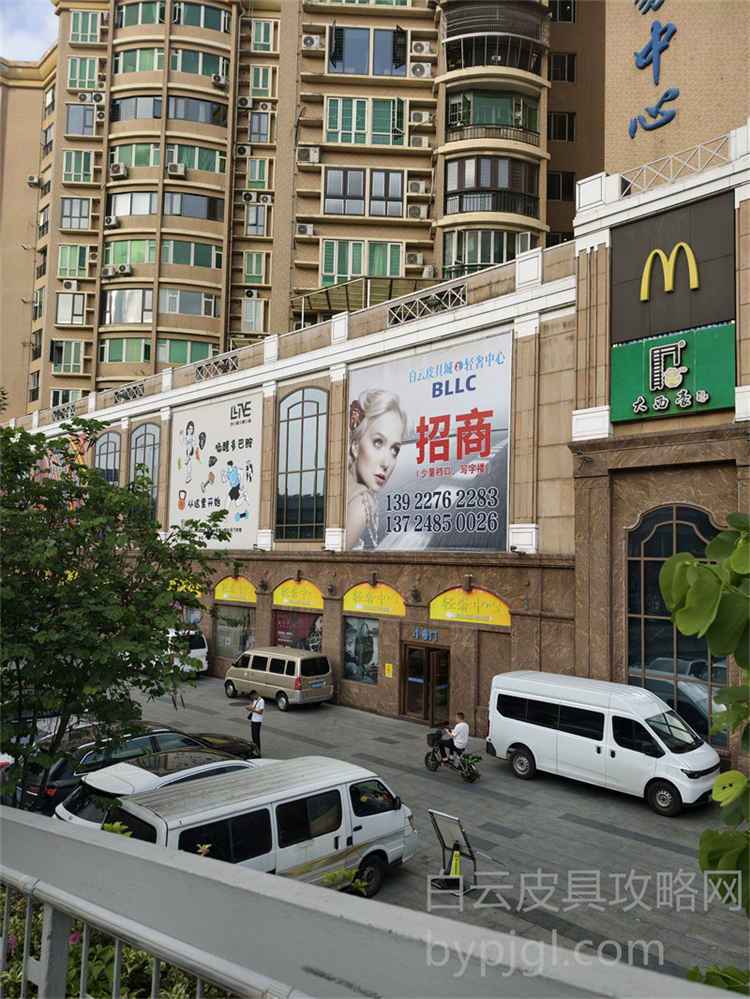
When you first arrive at the Baiyun area, it looks like a maze. There are dozens of buildings, but only a few hold the real treasures. Most tourists go to the main entrance of the Grandview Plaza, but that's wher the tourist traps are. If you want serious wholesale prices and genuine craftsmanship, you need to head deeper into the complex.
The Hidden Gems on the Upper Floors
Let's be specific. You don't want the ground floor shops shouting prices at passersby. The high-quality Guofeng manufacturers usually hide on the 4th and 5th floors of Building A and Building C. Specifically, I recommend checking out the corridor near the elevator on the 5th floor of the Baiyun International Trade Center (Building B). That's wher you'll find the workshop-style stalls.
One specific stall I trust, which has been there since 2010, is run by a family called Jade Silk Handicrafts. Their booth number is 5F-089. They specialize in silk-woven handbags with bamboo handles. Unlike the mass-produced items you see elsewher, their stitching density is around 12 stitches per inch, wheras the average factory product is only 6. Another spot worth visiting is Phoenix Embroidery Studio located on the 3rd floor of Yide Road Market Annex, specifically stall 3A-12. They focus on the "Hanfu-inspired" crossbody bags. If you ask them for a catalog, they will laugh and say, "No catalog, come look." That's the sign of a confident manufacturer.
The Art of Selecion: What to Look For Before You Buy
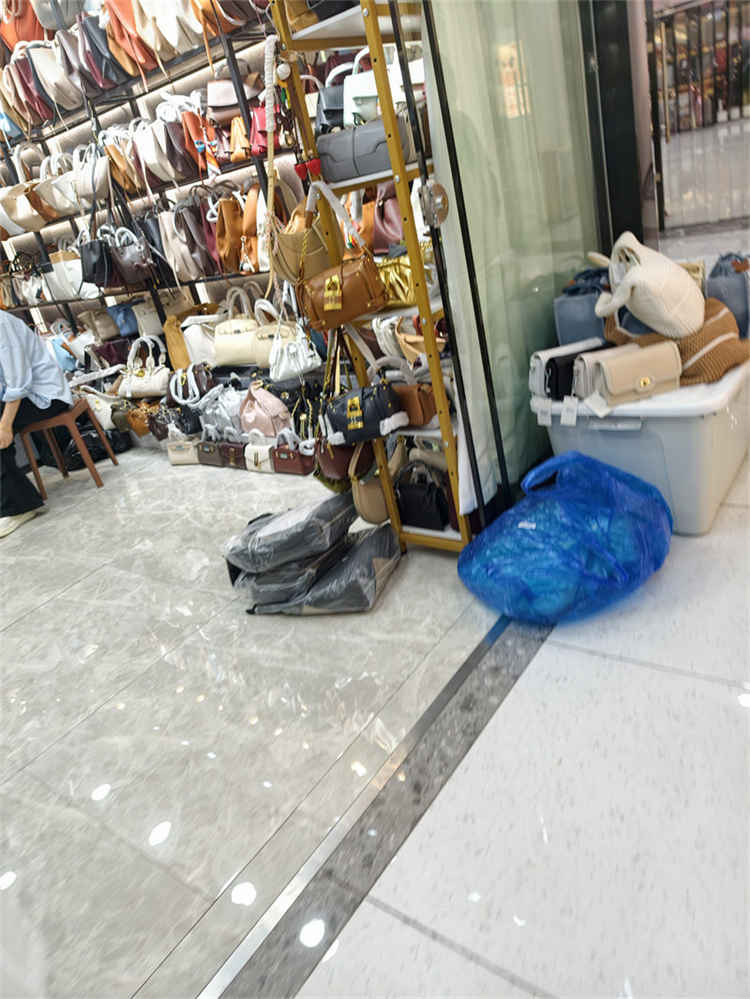
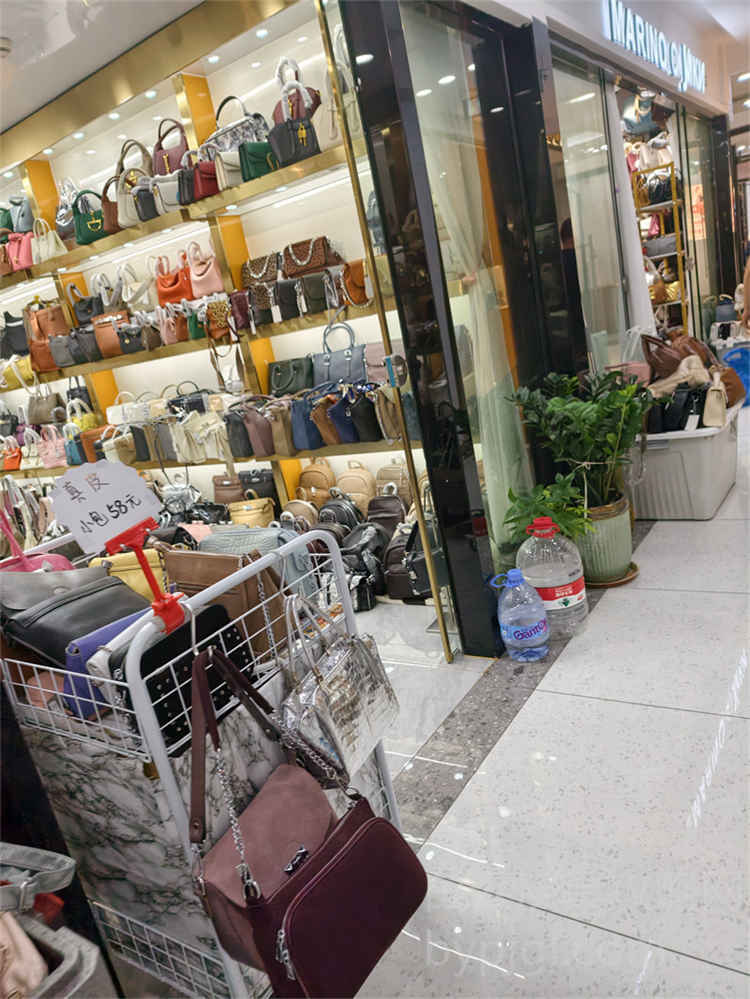
once you are inside the market, don't just pick up the prettiest bag. As a local boss, I teach my regular clients to check three things immediately. First, the hardware. Cheap Guofeng bags use zinc alloy that turns green in a week. Real ones use brass with antique plating. Second, the lining. Many factories cut corners here, using thin polyester. We look for cotton or rayon linings with printed traditional motifs. Third, the structure. Does the bag stand up? Does the handle feel comfortable after holding it for ten minutes?
Real data: Quality vs. Price Comparison
Let me give you some hard numbers based on my inventory logs from last month. On the ground floor of the main plaza, a similar-looking "Chinese style" tote bag sells for $15 wholesale. But when you open it, the zipper is flimsy, and the embroidery is glued, not stitched. In contrast, the bags from Jade Silk Handicrafts cost $28 wholesale. Why? Because they use real silk thread, and the embroidery takes 4 hours per bag. The markup seems higher, but the return rate is zero. Buyers who buy the $15 version end up complaining about broken zippers within a month. Those who buy the $28 version become repeat customers for years. This is the difference between a souvenir and a brand asset.
Negotiation Tactics: How to Get the Best Deal
Here is wher most foreigners fail. They try to haggle like they are buying vegetables at a street market. Don't do that. In the leather industry, especially for custom Guofeng designs, respect is currency. When you approach a stall like Phoenix Embroidery Studio, don't ask "How much?" immediately. Ask, "What is your minimum order quantity for this design?" and "Can I see the raw materials?"
If you are ordering less than 50 pieces, expect to pay the retail price plus a small premium. But if you commit to 100 pieces, you can often knock 15% off. However, the real leverage comes from customization. If you bring a sketch or a photo of a specific pattern you want modified, the factory owner will treat you differently. They might offer free samples if you promise a bulk order later. I once helped an American buyer modify a standard cloud pattern to include their own logo. The factory charged them nothing for the mold fee because they saw the potential for a long-term partnership. That is the kind of relationship you build in Baiyun.
Avoiding Pitfalls: The Scams You Must Know
I have seen too many good intentions ruined by bad advice. One common scam involves "sample swapping." You order a perfect sample, and then the bulk order arrives with inferior quality. To avoid this, always insist on a "pre-production sample" before the full batch starts. Pay for it, even if it costs extra. Another trap is the "rush order" fee. Some vendors claim they can make 500 bags in 3 days. Unless they have a massive warehouse full of pre-made stock (which won't be custom), they are lying. Real embroidery and assembly take time. If they promise speed, they are cutting corners.
Also, be careful with payment terms. Never transfer 100% upfront without seeing a video of the finished goods. A safe middle ground is 30% deposit, 70% before shipment. And never accept payment via personal WeChat accounts unless you know the person personally. Stick to Alipay business accounts or bank transfers linked to the company name.
Summary of Key Locations and Tips
| Market Area | Specific Location | Specialty | Recommended Stall/Shop | MOQ Estimate |
|---|---|---|---|---|
| Baiyun International Trade Center | 5th Floor, Building B | Silk & Bamboo Handbags | Jade Silk Handicrafts (5F-089) | 50 pcs |
| Yide Road Market Annex | 3rd Floor, Section A | Hanfu Crossbodies | Phoenix Embroidery Studio (3A-12) | 30 pcs |
| Grandview Plaza (Main) | Ground Floor | Mass Production / Low Cost | Various Generic Stalls | 100+ pcs |
| Baiyun Leather City | Upper Floors (4-6) | Custom Embroidery | Workshop Style Stalls | Varies |
Walking through the Baiyun Leather City is an experience unlike any other. The air smells of glue and leather, the noise is constant, and the energy is electric. If you are serious about sourcing "China Guofeng bags Guangzhou wholesale," stop relying on screenshots and start walking the floor. Visit the specific stalls I mentioned, touch the materials, talk to the owners, and build a connection. That is the only way to get the true value of Chinese craftsmanship. Remember, the best deals aren't found in search results; they are found in the conversations you have while standing in front of a sewing machine.

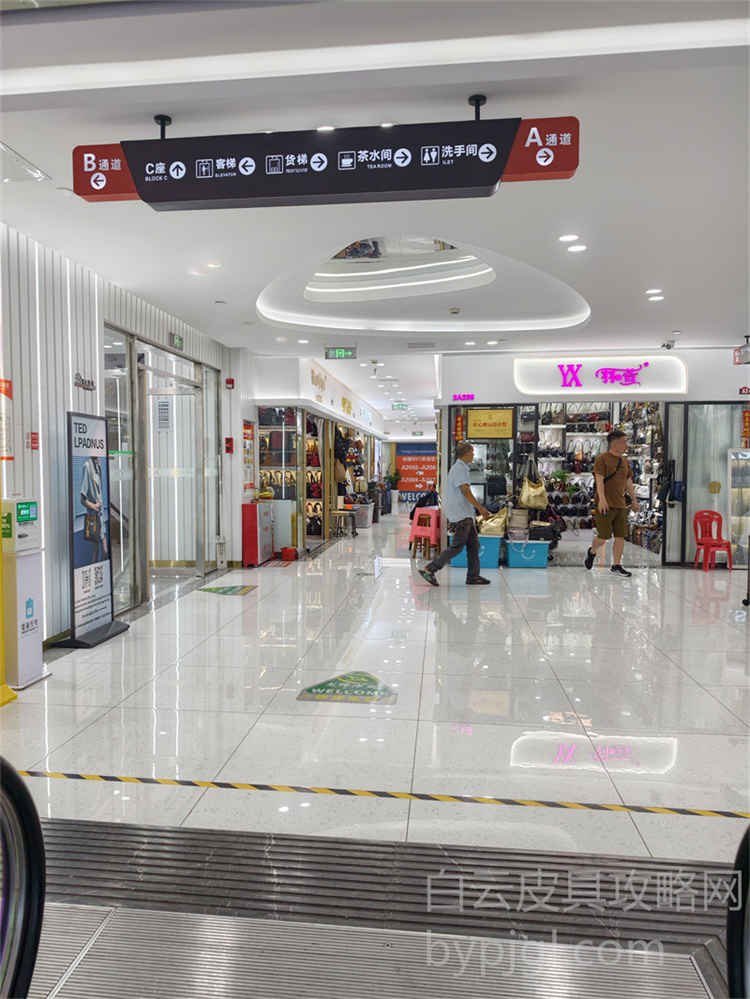
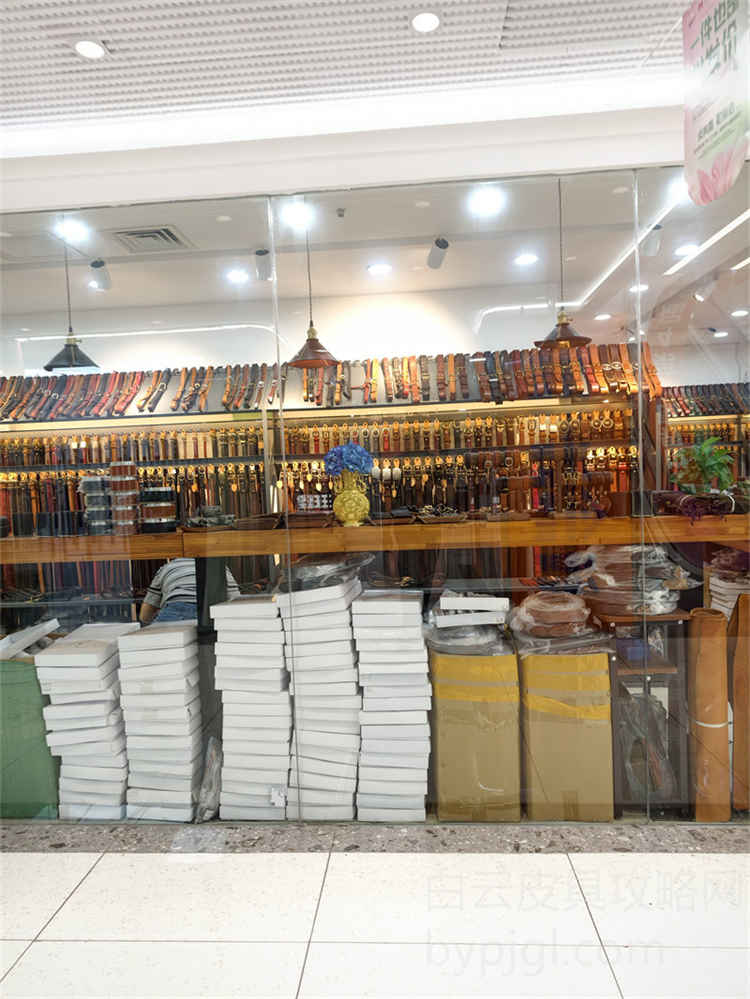
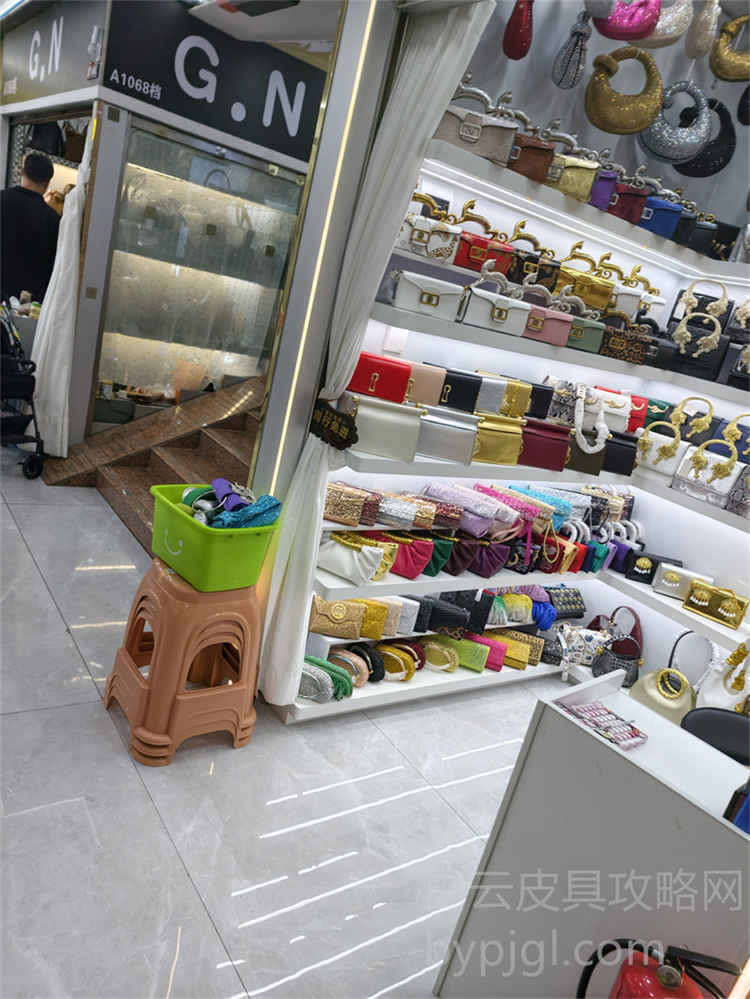
 On-site Visits
 Free Sharing
 Avoid Scams
 Updated Frequently
 For Reference Only