
Why Guangzhou Is Still the only Place for Real Leather Goods
I have been standing behind this counter in the Baiyun Leather City for over fifteen years. While everyone is talking about online sourcing and AI-generated catalogs, I see thousands of buyers walking through my door every single day who know the truth: you cannot replicate the smell of real leather, the texture of stitching, or the speed of a negotiation here without being physically present. If you are an overseas buyer looking for "Guangzhou accessories bags wholesale," stop scrolling through generic directories. Come to the source. The difference between a $50 margin and a $5 profit often comes down to one conversation in a crowded corridor.
The Reality of the Market Floor
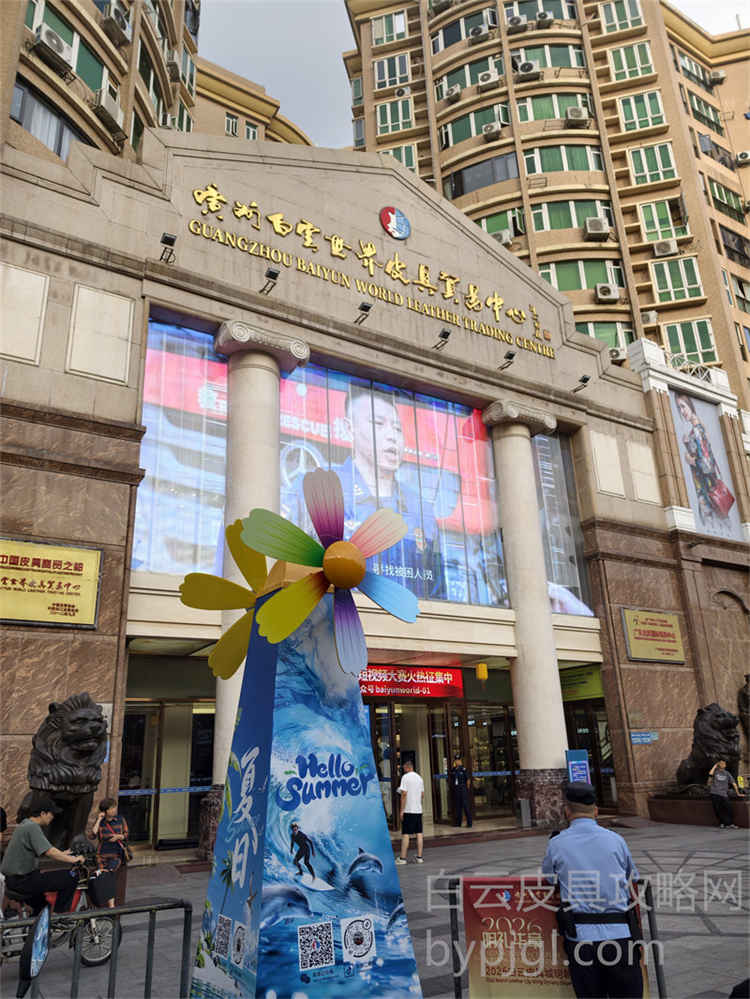
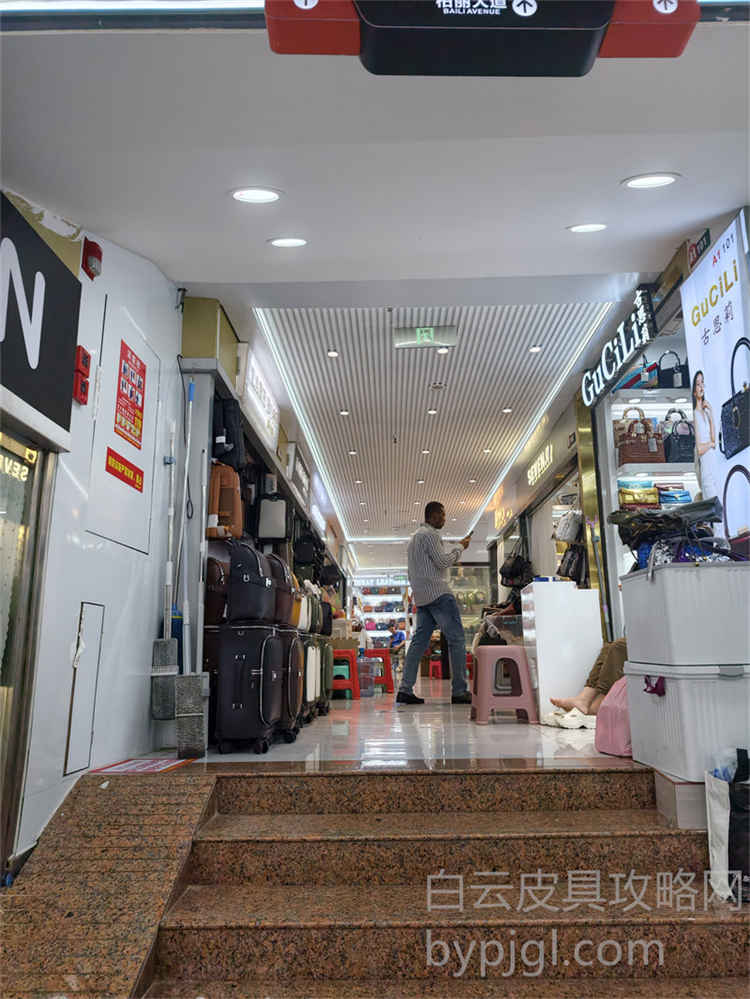
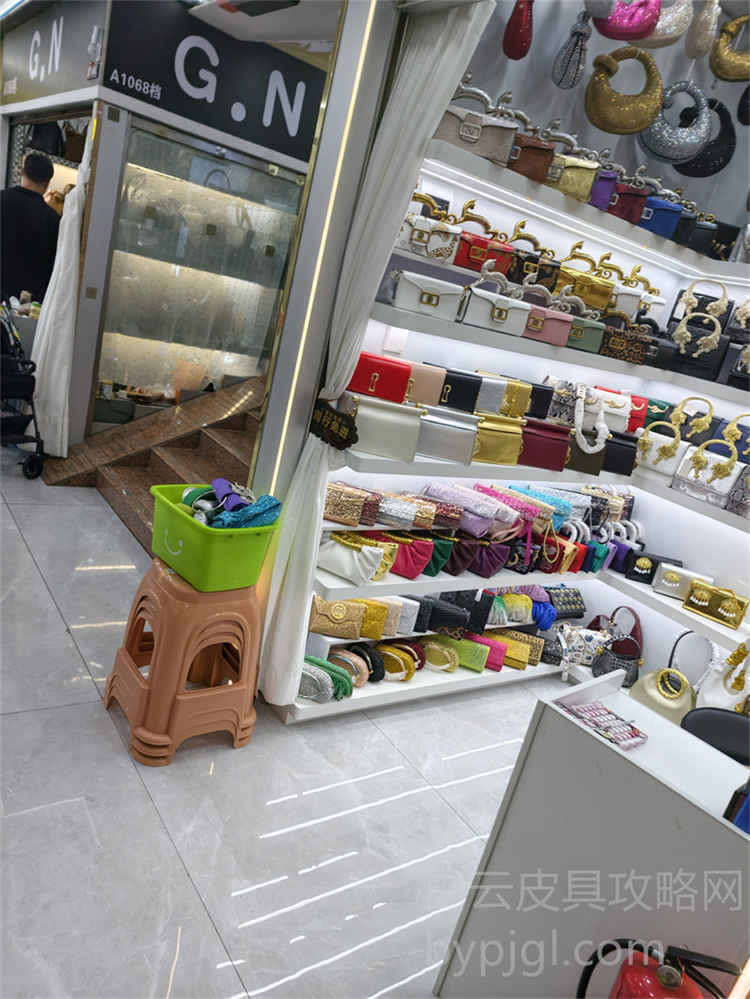
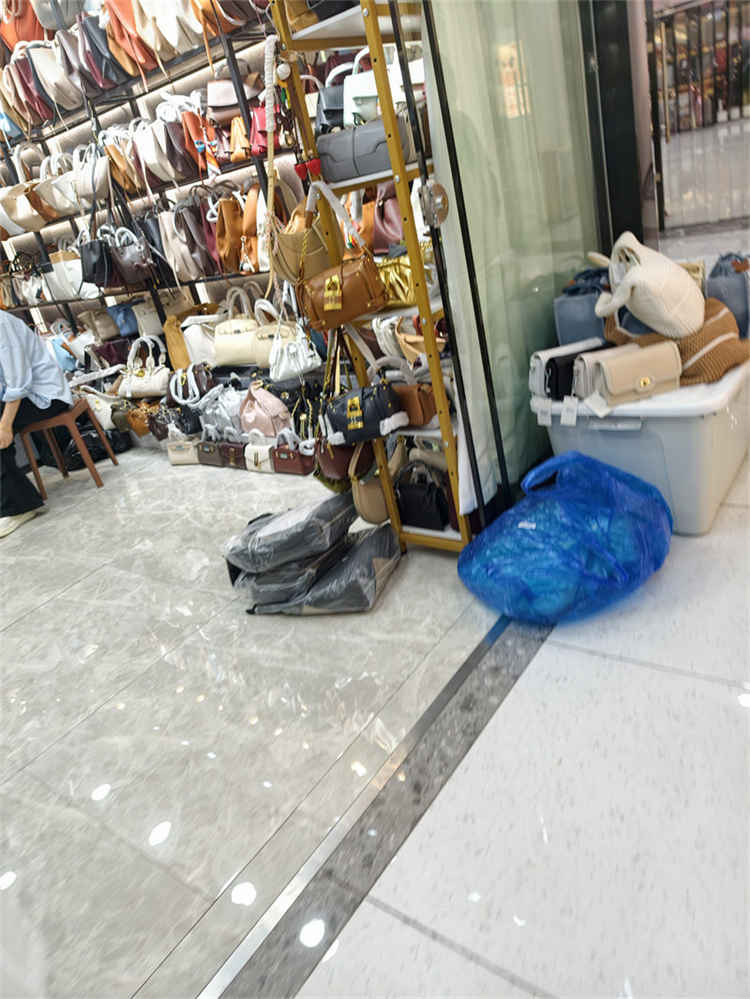
When you first step into the Baiyun Leather World, it looks chaotic. It smells like glue, new plastic, and high-quality cowhide. This isn't a museum; it is a battlefield of commerce. Most foreign buyers get lost because they treat it like a department store. They don't. You need to go straight to the upper floors wher the serious manufacturers operate. The ground floor is mostly for tourists and low-end knockoffs. If you want genuine quality, head to Floors 3 through 6. That is wher the factories with their own workshops are located. I remember a client from Brazil last month who tried to buy from a ground-floor stall. He paid double the price for goods that were already marked up by two middlemen before he even saw them. By the time we met him on the third floor, he realized his mistake. We showed him the same bag, but the stitching was tighter, the lining was thicker, and the price was 40% lower because we cut out the middleman.
Navigating the Supply Chain: Factories vs. Traders
This is the most critical distinction I teach every new buyer. In Guangzhou, there are two types of sellers: the traders who just move boxes, and the factory owners who make them. A trader might show you ten styles, but they only know what the supplier told them. A factory owner knows exactly which machine made the zipper, how many hours the leather took to tan, and if they can change the color tomorrow. When you ask for "Guangzhou Baiyun leather city wholesale," you are looking for the latter.
Specific Locations and Trusted Stalls
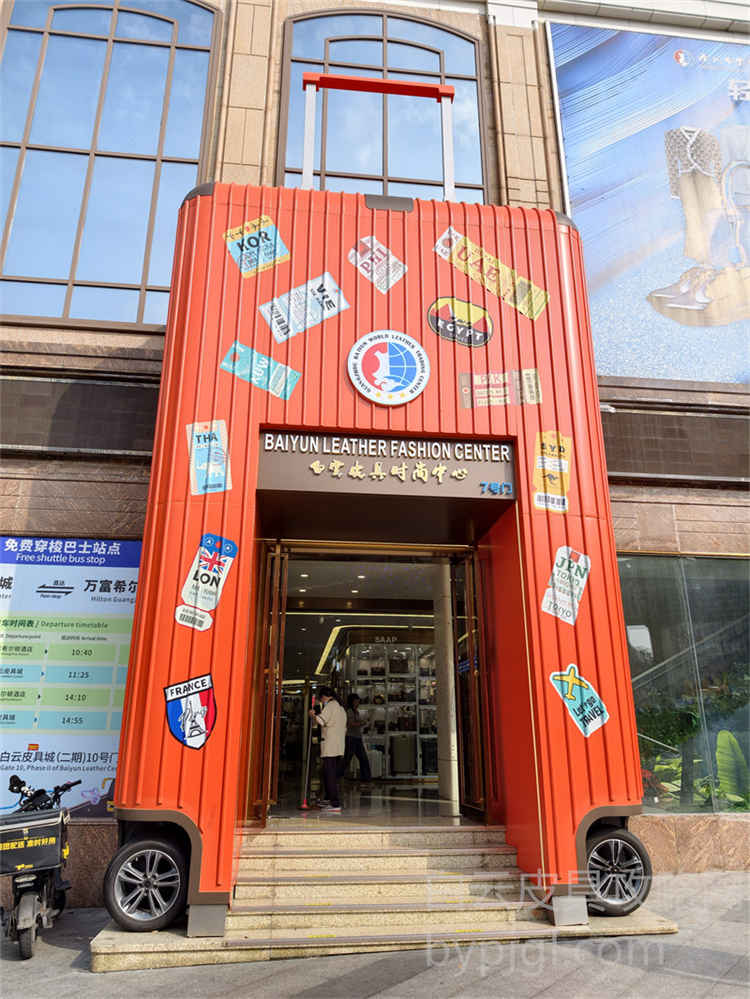
You asked for specific names? Here is the inside track. Do not waste your time at the random stalls near the main entrance. Go directly to Baiyun International Leather Trade City (Baiyun Yiwu). Specifically, look for the area around Building B, Floor 4. There, you will find Shengda Leather Factory at Stall 402. They specialize in structured handbags and have been here since 2008. Their MOQ (Minimum Order Quantity) starts at 50 pieces, which is perfect for small startups. Another gem is Jinxiu Leather Goods on Floor 5, Stall 510 in the World Trade Center. They focus on trendy crossbody bags and fast fashion. I personally vouch for them because I have seen their production line. They use top-tier Italian PU and genuine calfskin. If you want luxury feel without the luxury tax, these are the spots. Avoid the stalls that scream "Wholesale" in neon lights; the quiet ones with sample books stacked high are usually the best.
The Art of Negotiation and Pricing
Pricing in Guangzhou is not fixed. It is a dance. If you walk in asking for the "best price," you will get the worst deal. You need to show you are a pro. Start by asking about the material composition. Ask, "Is this full-grain cowhide or corrected grain?" If they hesitate, walk away. once you establish trust, ask for their "MOQ price." For example, a bag listed at $15 retail might be $8 for 100 units, but dro to $6.50 for 500 units. I once helped a client from Germany negotiate a deal with Hongtu Leather on Floor 3. They initially quoted $9 per unit. By committing to a mixed order of 300 units across three different styles, we got the price down to $7.20. That extra $1.80 per unit saved them $540 on a single shipment. That is the power of volume and relationship.
Quality Control: What to Look For Before You Pay
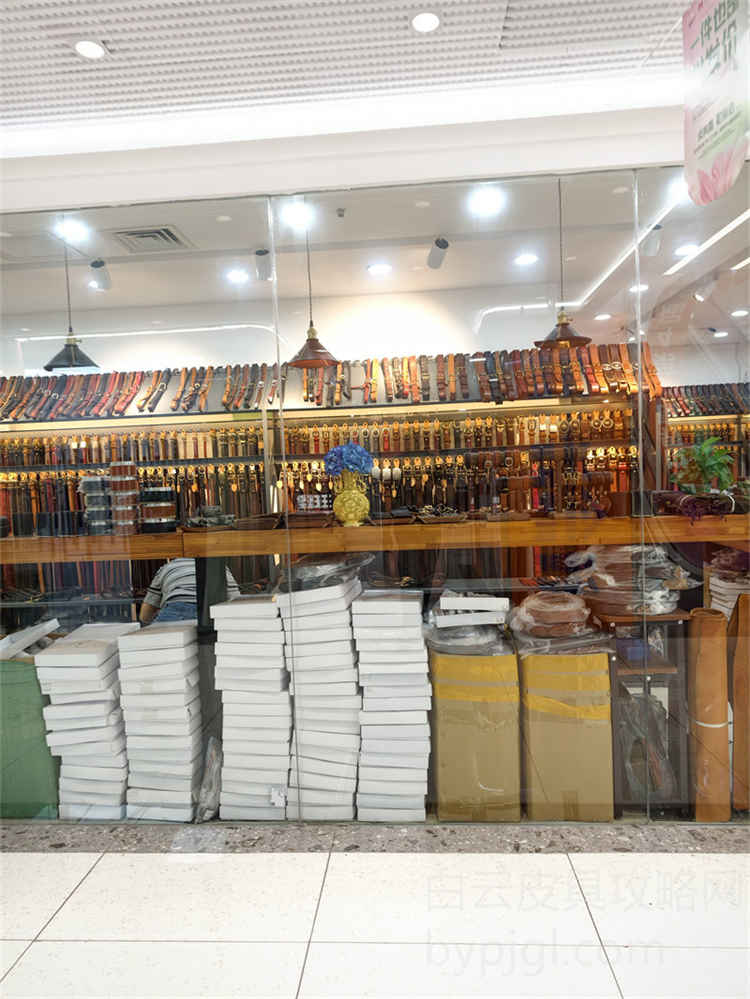
Many buyers lose money because they rely on photos sent via WhatsApp. Photos lie. Lighting hides flaws. You must inspect the goods yourself. When you are at the stall, do three things immediately. First, check the hardware. Open and close the zippers twenty times. Cheap brass turns black in a week. Second, pull the stitching. If a thread breaks easily, the bag will fall apart in a month. Third, smell the leather. Real leather has a distinct earthy scent; fake leather smells like chemicals or plastic. At Yuanfeng Leather on Floor 6, they actually let you take a swatch of leather home to test. That level of confidence is rare. Also, check the lining. High-end bags use polyester or satin linings that are tightly stitched. Low-end ones use cheap cotton that pills after one wash.
Avoiding the Scams
There are traps everywher. One common scam is the "sample trap." They sell you a perfect sample, then send you a box of garbage when you place the bulk order. To avoid this, always pay for a pre-production sample before ordering the full batch. Never transfer 100% payment upfront unless you have worked with them for years. Use Alibaba Trade Assurance or a local escrow service for the first transaction. Another trick is the "color swap." They promise red, but send dark brown because "red is out of stock." Always specify the Pantone code in your contract. I had a client who lost $2,000 because the seller swapped the color without telling him. Now, he insists on a photo approval step before shipping.
Logistics and Shipping: Getting Your Goods Home
once you have picked your bags, the next challenge is getting them out of China. Most stalls in Baiyun do not handle international shipping directly. They will pack the goods and give you a contact number for a freight forwarder. Do not use the first one they suggest. Find a forwarder who specializes in leather goods. Leather is heavy and sensitive to humidity. You need air-tight packaging. I recommend using a forwarder based in Guangzhou's Panyu district, as they have better customs clearance rates for leather items. The cost of shipping varies wildly. Air freight takes 5-7 days but costs $15-$20 per kg. Sea freight takes 30-45 days but costs only $3-$5 per kg. For a 50kg shipment of bags, sea freight saves you nearly $800 compared to air. Just remember to add the VAT and import duties to your final cost calculation.
Summary of Key Strategies
| Strategy | Do This | Don't Do This |
|---|---|---|
| Location | Go to Baiyun Leather City, Floors 3-6 | Stay on Ground Floor or online Directories |
| Supplier Type | Find Factory Owners (e.g., Shengda, Jinxiu) | Buy from Middlemen/Traders |
| Pricing | Negotiate based on Volume & Mixed Orders | Accept Fixed Retail Prices |
| Quality Check | Inspect Hardware, Stitching, and Smell | Rely Solely on Digital Photos |
| Payment | Use Escrow or Partial Deposit | Transfer 100% Upfront Immediately |
| Shipping | Use Specialized Freight Forwarders | Use Standard Postal Services |
Buying in Guangzhou is not just about finding cheap products; it is about building a supply chain that lasts. The market changes daily, trends shift weekly, but the core principles of quality and trust remain constant. If you follow these steps, visit the right floors, talk to the right people, and verify everything with your own eyes, you will find that Guangzhou remains the undisputed king of global leather goods. Don't settle for less. Come to the source, see the craft, and build your brand on solid ground.


 On-site Visits
 Free Sharing
 Avoid Scams
 Updated Frequently
 For Reference Only